Museum Studies investigates the history and political role of museums, the interpretation and display of cultural productions, and topics of concern to museums as cultural organizations, using a multidisciplinary, practice-based approach to understand the historical development of this evolving field.
The theoretical and applied aspects of the concentration in Museum Studies give students the opportunity to participate in multidisciplinary graduate coursework in the humanities, social sciences, curatorial methods, and management in addition to hands-on, practical learning through the optional internship. Students learn about the history and political role of museums, the interpretation and display of a wide variety of cultural productions, and topics of special concern to museums as cultural organizations.
The concentration emphasizes critical, theoretical, and practice-related developments in the ever-changing field of museums, exhibitions, and sites of public memory. Students will acquire the knowledge and expertise to meet the challenges confronting arts and cultural organizations today.
The School of Arts & Humanities offers the concentration in Museum Studies to students in the Applied Gender Studies, Cultural Studies, English, History, and Religion programs. The concentration is awarded in conjunction with the degree and is noted on the transcript as an additional area of qualification.
Program Highlights
- You will be trained in both field-based work and text-based work through opportunities for internships with a range of cultural organizations and institutions, including the Wende Museum, La Plaza de Cultura y Artes, The Getty Museum, The Bowers Museum, LACMA, and the Autry Museum of the American West.
- CGU’s Southern California location provides access to one of the most dynamic and innovative arts centers in the world.
Museum Studies at Claremont Graduate University
SCHOOL AT A GLANCE
The School of Arts & Humanities lets you tailor your program to target your specific interests. You’ll conduct research across disciplines to approach problems in new ways, all in an intimate, collegial learning environment where faculty-mentors offer you personal attention, and opportunities for collaborative, interdisciplinary scholarship abound.
Program At-a-glance
-
Interdisciplinary Concentration
degree awarded
-
In Person
modality
Faculty
-
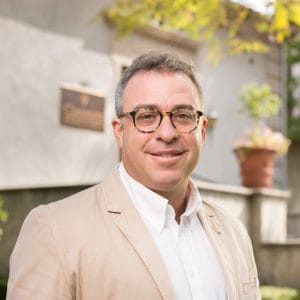
Joshua Goode
Professor of History and Cultural Studies
Chair, Cultural Studies DepartmentResearch Interests
Modern Spain, 19th- and 20th-century Europe, Genocide and racial thought, Museums and commemoration, Memory
-
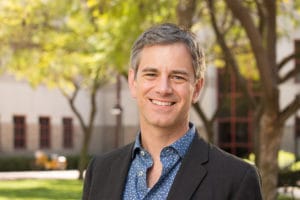
David Luis-Brown
Associate Professor of Cultural Studies and English
Research Interests
Hemispheric Americas studies, Latino/a/x studies, Black diaspora studies, American literature and culture
-

Eve Oishi
Associate Professor of Cultural Studies
Research Interests
Cultural studies, Media studies, Feminist and queer theory, Asian American studies
Curriculum
Program Requirements
Eight units must be taken as approved courses in museum theory and history, such as Remembering Trauma: Museums, Memorials & Commemoration; Heritage, Culture & Managing the Past in the Old World & the New; or The History & Theory of Museums. Students may also complete an optional internship.
Note: In some cases, fulfilling the requirements of this concentration as well as the core requirements for the student’s degree may involve additional units or Research Tools. Students should always consult with their academic advisor before adding a concentration to their degree program.
Application Guidelines
The interdisciplinary concentrations in the School of Arts & Humanities are available as part of a master’s or doctoral degree program.